
Plan a slow walk around enjoyment rather than distance
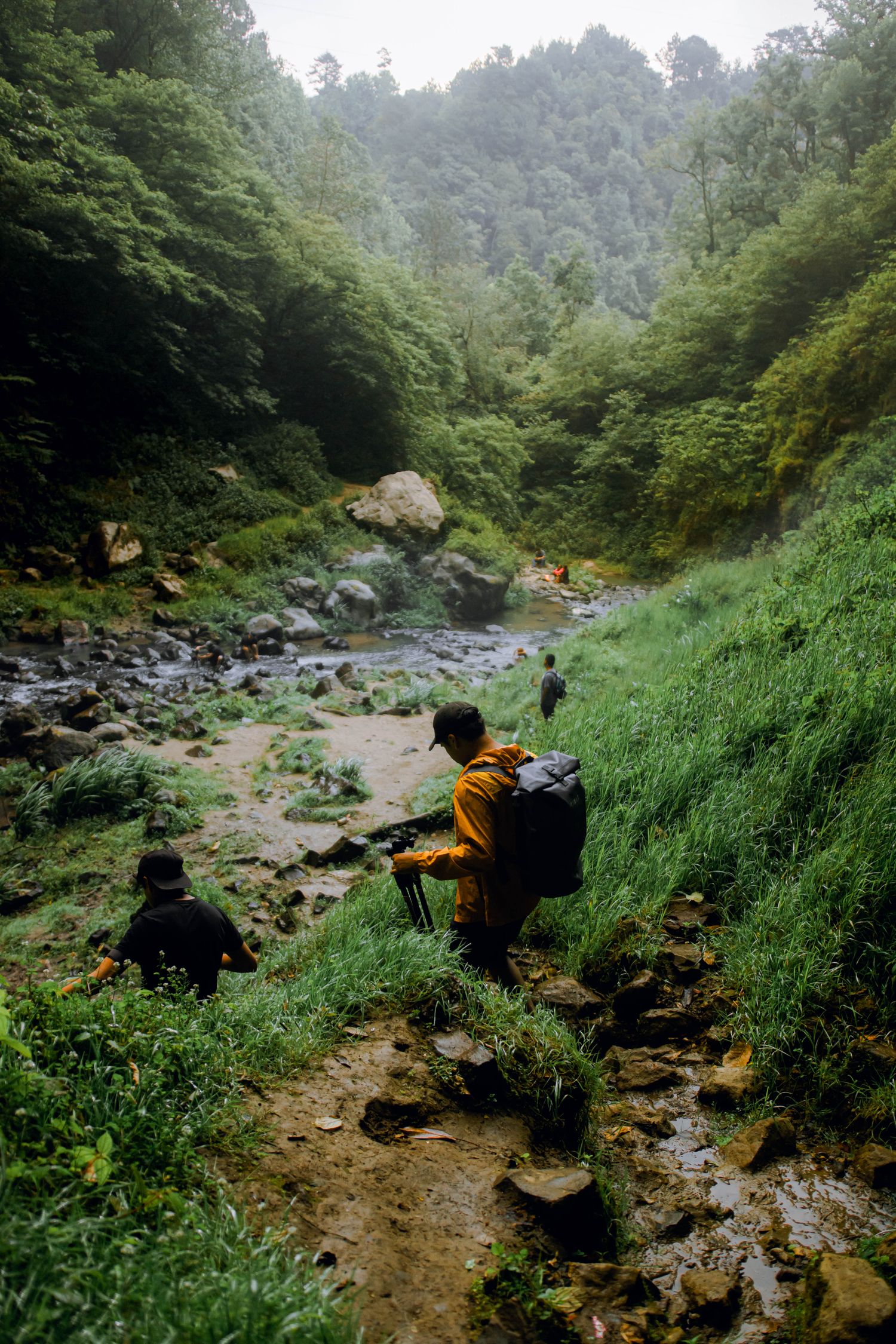
A walk can be an outing without becoming a training target. Choose a familiar route and allow time to notice the surroundings, with a plan that suits your mobility, company and local conditions.
Choose comfort over a dramatic route
Check the surface, crossings, seating and return options before you go. Use current local information for weather and closures. A short level route may be a better match for a relaxed afternoon than a difficult path with a famous view. If you are walking with someone else, agree on a pace and turnaround point that works for both of you. A wheelchair-accessible promenade or a garden circuit can serve the same purpose.
Let attention stay ordinary
You might notice a changing shop window, the shape of a tree or a building detail you usually pass. There is no need to identify every species or document the outing online. Keep awareness of traffic and other people, and do not use headphones in a way that obscures important surroundings. Change plans if the route becomes uncomfortable. The outing does not lose its value because you turn back sooner than expected.
Try this, one step at a time
- Choose a route with comfortable surfaces, places to pause and a clear return option.
- Agree on pace and timing with anyone joining you.
- Notice a few ordinary details while keeping attention on safe movement and surroundings.
Original editorial ideas, published September 7, 2026. These are optional experiments to adapt to your circumstances, not promises of a particular result.